Sleep-built T
Archived — September 16, 2026
Snapshot of Trending on X that day. Current · All snapshots
Updated September 16, 2026. Trending in Health on X.
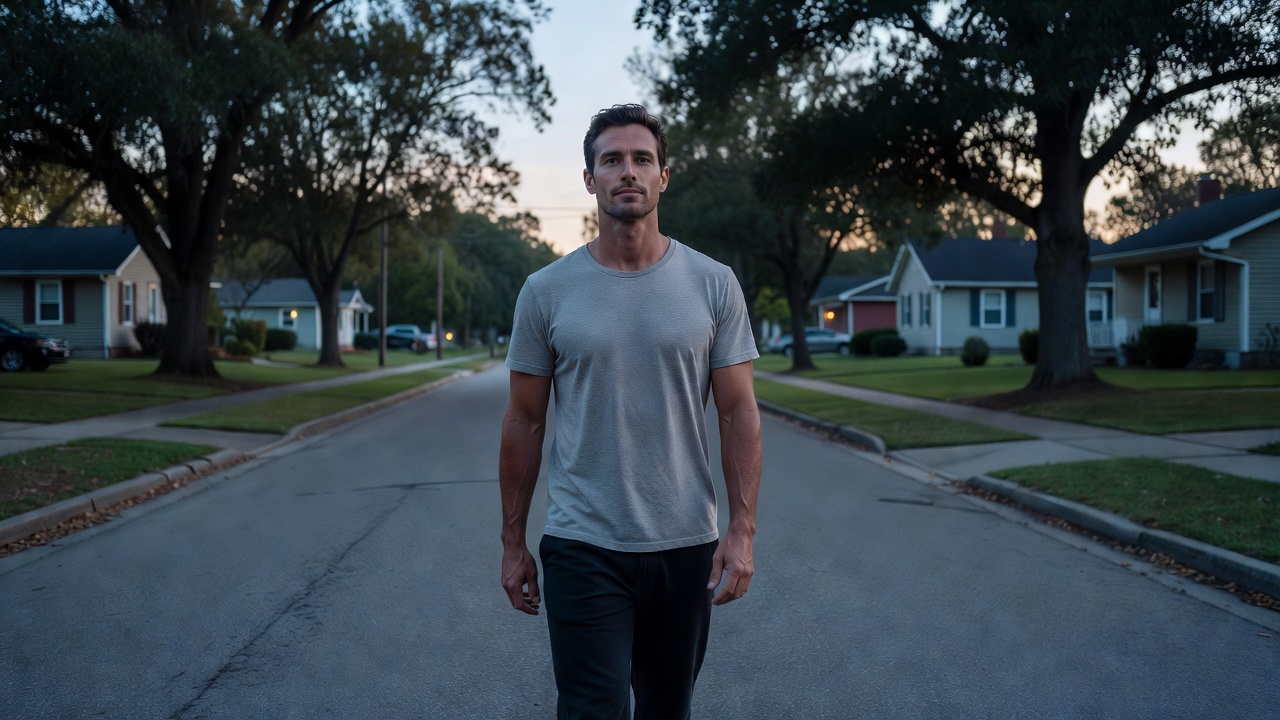
Men over 40 on X this week are split between the stack crowd (Tongkat, boron, ashwagandha, zinc as the T lever) and the quieter but repeating camp that keeps pointing at the bed: 7–9 hours, apnea as the silent killer, one week of short nights dropping T 10–15 percent, and body fat plus alcohol beating the gym for basal levels. The default this article argues is sleep-built T. Protect 7.5–9 hours of actual rest first. Everything else is downstream.
Not medical advice
This is not medical advice and not a clinic protocol. If you snore, gasp, wake unrefreshed, or have symptoms, get tested and talk to a doctor. Bloodwork and a real sleep study beat tweets.
What X is actually arguing
The loud tension is fundamentals versus theater. One side posts 10-item evening stacks and “run for 90 days then retest.” The other side, especially accounts aimed at men past 40, keeps ranking sleep, waist, and alcohol above minerals or extra lifting volume. Zinc only moves the needle if you are actually deficient; for most men over 40 the useful context is sleep, alcohol intake, waist circumference, and repeat morning labs.[1]
Sleep apnea threads are the sharpest. It is called the most underdiagnosed testosterone killer in men over 40. Most have no idea they have it. Treated men on CPAP see T rise 50–200 ng/dL within weeks—not from a new supplement or TRT, from breathing at night.[2]
The numbers that keep circulating: most daily testosterone release happens in deep sleep. Five hours a night has been linked to a 10–15 percent drop in a week. One bad night tanks T more than people realize. Routinely sleeping 5–6 hours puts the body in constant deficit. Sleep is not rest; it is the night factory.[3]
Body fat ranking surprised some. Visceral fat converts T to estrogen via aromatase. Sleep and alcohol are dose-dependent. Lifting barely moves basal T in older men. Panels sitting mid-range are not automatically a TRT story. The slow fade after 40 is real—roughly 1 percent a year—energy dips, mood flattens, drive quiets, sleep worsens. Some treat it as a permission slip. Others just check out.[4]
The fight is not “sleep versus training.” It is whether you will treat the pillow as non-negotiable before you add another bottle or another set.
Why this lands after 40
Testosterone does not fall off a cliff. It fades. After 40 the annual drop is real and the recovery window shrinks. Sleep fragments more easily. Apnea prevalence rises. Visceral fat tends to climb and aromatase activity with it. Poor sleep raises cortisol, which further suppresses T. Alcohol hits later-night sleep architecture harder. The first half of the night, when deep sleep is concentrated, is when the bulk of the nightly T pulse happens. Short or broken sleep means the factory never finishes the shift.
Training still matters for muscle, insulin, and not falling apart at 70. It does not rescue a 5.5-hour average. After 40 you cannot out-lift a chronic sleep debt the way a 25-year-old sometimes can. Morning wood disappearing, flat energy, and stalled fat loss are often the sleep signal, not a mineral gap. Circadian rhythm, light, and consistent timing become bigger levers because the system is less forgiving.
The constraint is simple: you cannot store sleep. Weekend catch-up does not fully repay the weekday deficit, and it wrecks the clock for Monday. Apnea, if present, is not a “try harder to sleep” problem. It is an airway problem that keeps T suppressed until it is treated.
The default, in enough detail to actually do it
Treat sleep like the sixth set. 7.5–9 hours in bed, lights out between 10:00 and 10:30, same time every night including Saturday. Wake time stays inside a 30-minute window. The room is dark (blackout curtains or a mask plus tape over every LED), cool (60–67°F / 15–19°C), and quiet. Phone charges in another room. Use a cheap analog alarm if you need one.
Evening cutoff: last caffeine by 2 p.m. Last alcohol at least 4 hours before bed—better none on weeknights. Dinner 2.5–3 hours before lights out: protein-forward, not a heavy late feast. Example: 6:30–7:00 p.m. grilled chicken or fish, vegetables, rice or potatoes if you train that day. 8:00–8:30 short walk. 9:00 dim the house lights. 9:30 screens off or at least no social feeds. In bed at 10:00. If magnesium glycinate 300–400 mg helps you stay asleep, that is a sleep tool, not a T booster.
If you snore, your partner reports gasping, you have morning headaches, or you are tired after 8 hours in bed, get screened for apnea this month. Home tests exist. CPAP (or the right alternative) is the highest-ROI T intervention for the men who need it. Do not guess.
Track for two weeks: hours in bed, time to fall asleep, night wakings, morning energy, and a simple proxy (morning erections, drive, how the first 90 minutes of the day feel). Do not chase 9 hours if 7.5 of solid sleep is what you can hold. Consistency beats heroic weekend sleep-ins.
Daylight in the morning (10–15 minutes outside or by a window) and dim evenings keep the clock aligned. Strength work 3 days a week and daily walking still happen; they just do not get to steal the sleep block. If work or kids force a late night, protect the next one harder rather than stacking two short nights.
This is the default because the nightly T production, cortisol drop, and recovery all run through the same window. Fix the window first. Then look at waist, alcohol, and labs.
What people get wrong
They treat 5–6 hours as the high-performer baseline and wonder why T, mood, and morning wood are gone.
They buy the 10-supplement stack (Tongkat, boron, zinc, ashwagandha, etc.) while still scrolling until 12:30 and sleeping 6 hours. Sleep, alcohol, and waist are more useful context than a single mineral list.[1]
They ignore apnea because “I don’t feel that sleepy” or “everyone snores a bit.” It is underdiagnosed and it silently tanks T.
They use alcohol as a nightcap. It knocks you out then fragments the second half of the night, which is when T production and REM matter.
They add junk volume in the gym hoping it will raise basal T while sleeping 6 hours. After 40, lifting barely moves the basal number; body fat and sleep do more.
They “catch up” on weekends, shifting the clock 90–120 minutes, then spend Monday–Tuesday paying for it.
This week
- Set one bedtime 8 hours before your required wake time. Start tonight. Same time Saturday and Sunday.
- Make the room actually dark. Blackout curtains, mask, or tape the charger lights. Cheapest T support you will buy.
- Phone leaves the bedroom. Charge it in the kitchen. Analog alarm if needed.
- Move last alcohol to 4+ hours before bed or cut weeknights for 7 days. Log how the second half of the night feels.
- Ask your partner (or record yourself) about snoring or gasping. If yes, or if you wake unrefreshed after 8 hours, book a conversation with a doctor or look up a home sleep test this week.
- Log hours in bed, night wakings, morning energy, and one T proxy (morning wood or drive) every day for the next 7 days. Compare to the week before you started.
Read next
Back to Trending on X.