Sleep first
Archived — September 21, 2026
Snapshot of Trending on X that day. Current · All snapshots
Updated September 21, 2026. Trending in Health on X.
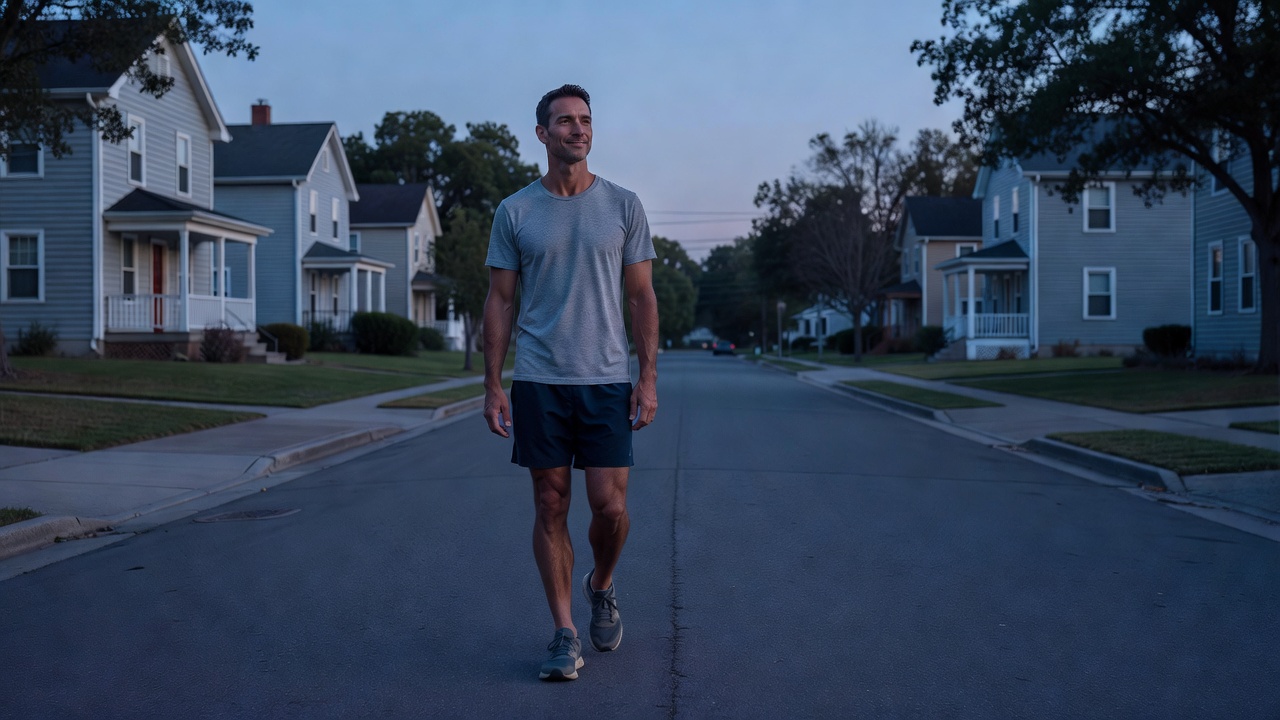
This week the fight on X is not whether sleep matters. It is the order. One camp still treats five hours plus coffee as a personality trait and piles on more training, more protein, more rings. The other camp says the stack is inverted: sleep first, then food, then lifting, then gadgets. The default here is the second camp, written so a man over 40 can run it this week without a protocol, a wearable, or a new identity.
Not medical advice
This is a practical default, not a diagnosis or a treatment plan. Persistent loud snoring, gasping, witnessed pauses, or waking wrecked after a full night in bed is a reason to talk to a clinician, not to buy another tracker.
What X is actually arguing
The loud midlife posts this week keep repeating the same sentence in different words: you cannot out-train five hours. Low sleep shows up as higher cortisol, worse recovery, louder cravings, and a training week that looks serious on paper and pays almost nothing.[1]
The second loud line is order. Coaches talking to men who already lift and already eat protein say the usual failure is 9pm phone scrolling, a 5am alarm, and no recovery plan. A couple of rough nights and the same man looks “less disciplined” around food. He is not weak. Hunger signals got louder and insulin handling got sloppier overnight.[2]
The third line is capacity versus keep. Training is the signal. Sleep is whether the body keeps the adaptation. Miss enough nights and the hard work is expensive noise. Consecutive short nights do not just make you sleepy. Session RPE climbs on the same weights, reps disappear, soreness lingers, and the stall gets blamed on the program.[3]
There is a real counter-camp. One high-engagement post this week argued that a lot of men who think they are tired are actually without purpose, that rest fixes tired but not emptiness, and that piling on work brings the energy back. That is a useful check if you have been sleeping nine hours and still feel flat. It is a bad excuse if you are averaging five and a half and calling it grit.[4]
The medical-adjacent posts are louder than usual on two boring items. Sleep is being treated as a vital sign, not a luxury: seven to nine hours as a target, plus regularity, continuity, and daytime alertness. And snoring is being treated as a red flag, not a joke. If you “sleep eight hours” and wake exhausted, the argument this week is get checked, not buy earplugs.[5]
Caffeine is the other split. After 40 it is being framed as a recovery tax, not a productivity hack. One playbook making the rounds: a noon dose can still leave about a quarter in your system at midnight and cost the better part of an hour of sleep. The default those accounts are pushing is last caffeine early, often done by late morning.[6]
Why this lands after 40
After 40 the margin is thinner. You still recover. You just recover slower, and you pay more for the same mistake.
Short sleep hits glucose handling the next morning. That is not a character flaw. Cells listen to insulin worse after a bad night, hunger gets louder, and the meal plan you were “disciplined” about on Monday starts leaking. Hard lifting can blunt some of that hit by moving sugar into muscle even when the insulin signal is messy. That is a reason to keep training when a night is imperfect. It is not a reason to live on imperfect nights.[7]
Deep sleep is when a lot of the repair work happens: muscle, glycogen, nervous system, the overnight hormone pulse people keep trying to buy in a bottle. Men want high testosterone and then skip the habits that produce it: early sleep, hard training, morning light, food that is not chaos. You do not get warrior hormones on a 12:40am scroll and a 5:10am alarm.[8]
Caffeine clearance is less forgiving. The same 2pm coffee that was a non-event at 28 is still in the system at 10pm at 45. Then you stack it all day because the night was short, crash at 3pm, and call the crash “aging.” The adenosine debt was always going to come due. Caffeine only postponed the bill.[9]
Sleep debt also compounds with the muscle you are already leaking. After 30 the baseline is a few percent of muscle per decade if you sit still. Training tired makes that worse because the session still happens, the log still gets a checkmark, and the quality is fake. Fog, climbing RPE, extra missed reps, and flat meetings are the early spillover, not a random midlife personality change.[10]
Apnea and fragmented sleep get more common with age and with waist size. Eight hours in bed is not eight hours of sleep. If you snore, gasp, or wake unrefreshed, the overnight oxygen drops and blood-pressure surges are not a snoring gag. They are a cardiovascular problem wearing a sleep costume. Roughly four in five people with apnea are undiagnosed. That number is why “I get plenty of time in bed” is not an argument.[11]
The default, in enough detail to actually do it
Pick a wake time and keep it seven days. Bedtime can float about 90 minutes. Wake time cannot. If you have to choose one anchor, choose morning. Same wake time is how the cortisol curve starts to behave again. Sleeping in Saturday to “catch up” is how Monday feels like a different time zone.[9]
Give yourself 7.5 to 8.5 hours in bed. Most men over 40 do well targeting 7 to 8 hours of actual sleep. If you need to be up at 6:00, lights out is 10:00, not 10:40 after one more episode. Protect bedtime the way you would protect a meeting with your biggest client. You already know how to be on time for other people.
Caffeine cutoff: last dose by 11:00 a.m., noon at the latest. After 40, treat afternoon coffee as a sleep tax. One morning dose is enough for most men. If you need a second coffee to feel human, the problem is last night, not the beans. Do not use caffeine to paper over a 5.5-hour average.[6]
Room: dark, cool, quiet. Aim for roughly 18–20°C. Blackout the room. Charge the phone in another room. If you use it as an alarm, buy a $10 alarm clock. Late screens are not a willpower test. They are light in the wrong hours plus a feed designed to keep you up. The 9pm scroll plus 5am alarm pattern is the one coaches keep describing in consults this week. Kill it at the source.[5]
Last 60 minutes: dim lights, no work email, no “quick check.” If you need a wind-down, walk 20–30 minutes after dinner or sit and read paper. Alcohol: none within three to four hours of bed. A late drink can knock you out and then fragment the second half of the night. That is the night you “slept eight hours” and still feel poisoned.
Morning: outdoor light within 30 minutes of waking, even 10 minutes. That is the other half of the clock. You cannot fix a delayed clock with melatonin talk and a cave in the morning.
Training stays on the calendar: two or three hard strength sessions this week, plus walking. Do not add a 5 a.m. HIIT session that costs you an hour of sleep. Do not skip the lift because last night was average. Show up, keep the weights honest, leave. Sleep decides whether you keep the session. The session still has to happen. If you wake tired after a real 8 hours in bed, treat that as a flag, not a cue to buy another ring.[12]
Food: protein at each meal, no hero diet this week. Short sleep makes you chemically hungrier. The default is not a cut. The default is three meals you already know how to cook, protein first, and no late-night kitchen raid because you “earned it” after a bad night. If the night was wrecked, still lift if you can do it safely, walk, eat like an adult, and go to bed on time. Do not stack a deficit, a PR attempt, and a 10 p.m. laptop.
Snoring, gasping, choking, witnessed pauses, or unrefreshing sleep after a full night: talk to a clinician. Do not mouth-tape it away and call it biohacking. Do not treat a CPAP conversation as a personality insult. The default is get the question answered. Everything downstream of oxygen drops is guesswork until you do.[13]
What people get wrong
Treating five or six hours as proof you are serious. Short sleep is not a badge. Consistently under six hours and insulin, hunger, and training payoff drift the wrong way while you tell yourself the business needs it. The business needs you intact at 44, not heroic at 2 a.m.[14]
Buying the ring before the dark room. Trackers do not create sleep. A cool dark room, a fixed wake time, and a phone in the kitchen do. If you wake tired after eight hours in bed, the next move is not another wearable. It is a flag.
Caffeine at 2 p.m. “just this once.” After 40 that dose is still working at lights out. Then you call the 11:20 p.m. second wind aging or stress. It is last lunch’s coffee.
Laughing off loud snoring. Earplugs for your wife are not a treatment. Choking, gasping, pauses, or daytime sleepiness are the list. Untreated apnea is not a comedy bit.[15]
Adding more training when you are already in sleep debt. The log looks disciplined. The recovery is fake. Sleep debt spillover is why the same weights feel heavier and the same meetings feel dumber. Cut the extra session. Keep the bedtime.
Sleeping in on weekends to “repay” the week. You move the clock, then Monday is jet lag. Same wake time. Earlier lights out if you need the hours.
Eight hours in bed counted as eight hours of sleep. Time in bed is not sleep. If you snore or wake unrefreshed, the number on the clock is marketing.
This week
- Write down one wake time. Set it for all seven days, including Saturday. Put the phone charger outside the bedroom tonight.
- Count backward 8 hours from that wake time. That is lights out. Dim the house 60 minutes before it. No negotiation on work email after that line.
- Last caffeine by 11:00 a.m. If you already had a 2 p.m. coffee yesterday, that is the experiment you are stopping, not a personality.
- Lift two or three times. Walk most days. Do not add a 5 a.m. session that steals sleep. If last night was bad, still train if you can do it safely, then go to bed on time.
- If you snore loudly, gasp, or wake wrecked after a full night, book the conversation this week. Do not wait for a new gadget to tell you what your spouse already hears.
- Morning light within 30 minutes of waking, 10 minutes minimum, outside. That is the clock. Keep it for seven days before you change anything else.
Read next
Back to Trending on X.