Sleep before the clinic
Archived — September 24, 2026
Snapshot of Trending on X that day. Current · All snapshots
Updated September 24, 2026. Trending in Health on X.
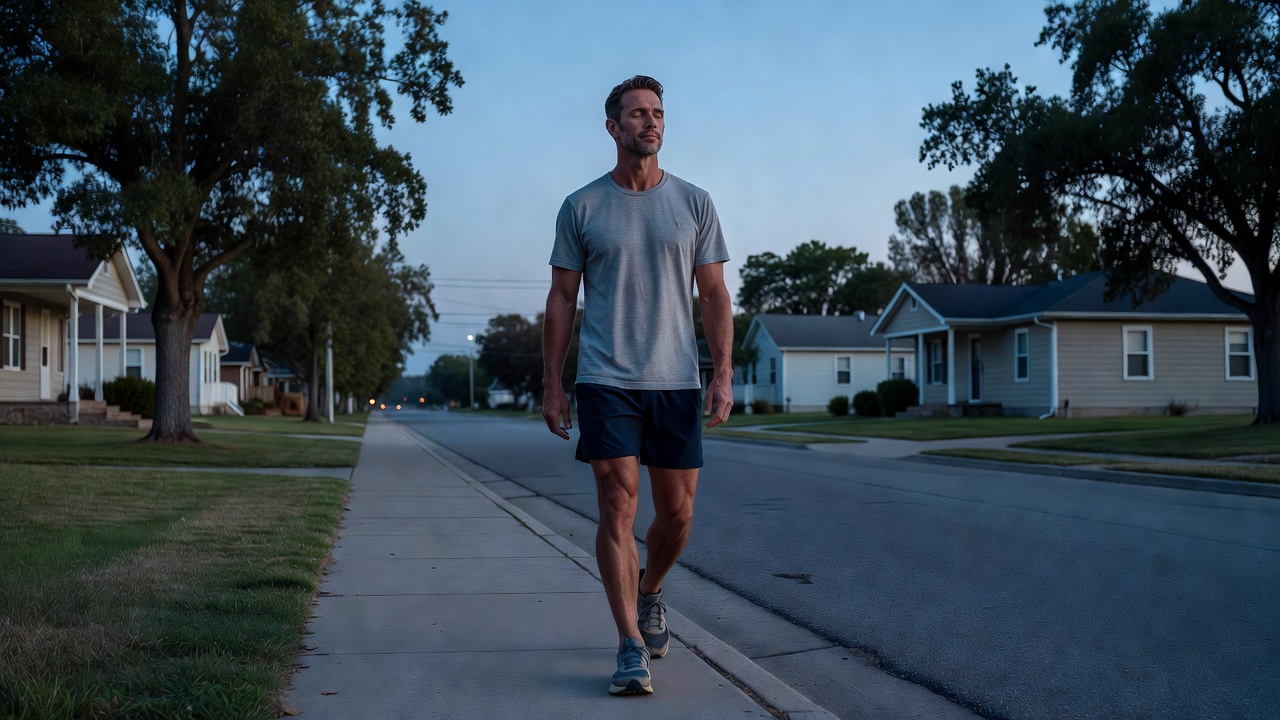
X this week is loud with men over 40 booking morning labs and clinic consults while still running 5–6 hour nights, then reading the printout as fate. The other camp is louder: that number is often a sleep artifact, not a diagnosis. The default this page argues is sleep before the clinic — seven consecutive nights of a real sleep window, then draw if you still need the data.
Not medical advice
This is a timing and habit default, not a diagnosis, lab protocol, or treatment plan. Your clinician owns the bloodwork and any next step.
What X is actually arguing
Two camps are colliding, and they are not arguing about whether labs exist. They are arguing about order.
Camp one says get a number. Morning blood. Don’t guess with a powder or a feeling. A lab is cheaper than a decade of “I’m just getting older.” Quiet mornings, a gym that stopped answering, a thin week — open the file. That line is everywhere this week: test, don’t mythologize aging.[1]
Camp two says the file is dirty if the nights are dirty. Five hours is how men buy low T and call it fate. Before 40, stolen sleep still felt free. After 42 it is the tax. Same bedtime, dark room, phone out. A man who owns sleep owns mornings; a man who doesn’t hunts a bottle and keeps the 1 a.m. slot.[2]
The loudest mechanistic claim on the feed this week is the same study, repeated: cut sleep to about five hours a night for a week and testosterone drops 10–15 percent — framed as roughly a decade of hormonal aging in seven days. Deep sleep is when the brain signals luteinizing hormone; skip that window and the testes get a weaker order. Low T, in this telling, is often a downstream symptom. Treating the symptom first while the nights stay wrecked is how you stay dependent on the clinic.[3]
The metabolic camp is saying the same thing with glucose. Six nights of four-hour sleep cut insulin sensitivity by about 40 percent in classic work; one bad sleep week can make a fasting panel look like early prediabetes. You do not need a personality flaw. Sleep loss changes how cells listen to insulin. Then you walk into the clinic fasting, tired, and the sheet confirms a story you already believed.[4]
A smaller, more practical thread: men who actually post 90-day panels say the boring lever moved numbers more than stacks. Nights under six hours with chopped REM preceded the worst cycles. Lock a bedtime, cut late screens, and morning androgens stopped flatlining. Lifting stayed, volume dropped, zinc and vitamin D stayed boring. The clinic still happened — after sunrise, on a schedule — but sleep was the thing they had been skipping in favor of something more exciting.[5]
The tension is order, not anti-lab. Nobody serious is saying never get blood. They are saying do not interpret a wrecked-sleep morning as your baseline, and do not start a clinic relationship as the first repair when the nights are still 5–6 hours.
Why this lands after 40
After 40 the same sleep debt hits a worse machine. Deep sleep fragments. Growth-hormone pulses at night get smaller. Recovery from training and from a late evening takes longer. LH-driven testosterone production still clusters with sleep; you do not get a free pass because you “feel fine on six hours.” You feel fine until the morning function, the 2 p.m. wall, and the gym stop answering.
Insulin handling is less forgiving. One rough night leaves glucose messy the next morning. Midlife men live on that cycle: kids, early jobs, late email. Muscle still helps — trained men show a smaller hit to glucose after a sleepless night than untrained men — but that is a reason to keep lifting, not a reason to celebrate the 1 a.m. scroll. Fix bedtime when you can. When you cannot, still train. Do not use training as permission to skip sleep the week you draw labs.[6]
Nocturia, alcohol, and screens stack worse now. A beer as wind-down, a phone in bed, water until lights out — then two bathroom trips that you do not count as awake time. You log “seven hours” and slept five. Cortisol stays up. Morning T is sampled in the leftover of that night. The clinic does not see the week you lived. It sees the tube.
Before 40 you could steal sleep and still print a decent number. After 40 the steal shows up on the same panel you paid for. That is why “sleep before the clinic” is not wellness talk. It is how you stop treating a sleep problem as a hormone story.
The default, in enough detail to actually do it
Work backward from the wake time you actually have, not the one you want. If the alarm is 5:30, you are in bed at 9:45 and lights out at 10:00. If the alarm is 6:00, shift the whole window. Same bedtime seven nights. Friday is not a negotiation. If you need 7–8 hours in bed, protect 7 hours committed — do not get out of bed until that window is done, bathroom trip counted as awake. You might sleep badly the first week while the clock moves. That is expected. Hold the window anyway.[7]
Phone charger lives in the kitchen. Last 45–60 minutes: no phone, no laptop, no “one more episode.” Paper book in low light is fine. Room is dark — tape the LEDs on the TV and the smoke detector if they bother you — cool if you can get it (aim 65–68°F), quiet. Same bedtime is more important than a perfect gadget.
Caffeine cutoff 2:00 p.m. One coffee in the morning is enough for most of this audience; energy drinks first thing are out. Last drink of anything, including water, 60–90 minutes before bed if you wake to pee. Alcohol is not a sleep aid. None within three hours of bed. None the night before a draw if you can help it.
Evening meal is protein-forward and done 2–3 hours before lights out. Example that actually fits a work night: 6:30 p.m. — 8 oz chicken thigh or salmon, a fist of rice or potatoes, a pile of green vegetables, salt. Not a 9:15 p.m. burger, chips, and two beers. If you train after work, eat after the session, then start the wind-down. Hard intervals finishing at 9:30 are the exception that wrecks sleep for some men; compounds at 6:00 p.m. are usually fine.
Do not book a fasting morning panel after a week of 5–6 hour nights. Wait until you have seven consecutive nights of 7+ hours in bed. Draw 7:00–9:00 a.m., fasting. Write the last seven nights’ hours on a scrap of paper so you interpret the sheet against the week you lived. If the appointment is already on the calendar and sleep was wrecked, still go if cancelling costs you months — but treat that sheet as a snapshot after sleep debt, not your baseline. Re-draw after a clean sleep week.
If you already lift, keep it. Three days of compounds, not six junk sessions. Sleep and training are not rivals after 40; volume is. You are not locking sleep so you can skip the gym. You are locking sleep so the clinic, if you still go, is reading you instead of your week of 1 a.m.
What people get wrong
Treating 5–6 hours as grinding. That is not a work ethic. It is how you tank recovery, morning function, and the number you are about to pay to see.
Booking labs the morning after travel, a late night, or alcohol, then acting shocked at testosterone, glucose, or “I’m just getting older.”
Reading one morning T value as destiny and skipping the week of sleep that produced it.
Using weekend catch-up as the plan. Extra sleep after a wrecked week is better than staying deprived on purpose. It is not a substitute for a consistent bedtime the other five nights.
Reaching for a magnesium capsule before you fix duration, caffeine timing, light, and the phone. Capsules are not the first lever.
Alcohol as wind-down. It knocks you out and fragments the second half of the night — the half that actually pays T and recovery.
Going to an optimization clinic as the first repair while body fat, sleep, and training are still a mess. Lifestyle first. Then, if needed, a number. Medication is not the opening move on a 5-hour night.[8]
This week
- Pick a lights-out time from your real alarm and run it seven nights, including Friday. Write it on a card on the fridge.
- Move the phone charger out of the bedroom tonight. Last 45 minutes are analog.
- Caffeine ends at 2:00 p.m. Last drink of anything 90 minutes before bed.
- Do not schedule new fasting labs this week unless the last seven nights were already 7+ hours. If labs are already booked, log sleep hours next to the appointment so you do not over-read the sheet.
- Ten minutes of morning outdoor light after wake, same window every day.
- If you train, keep three compound days. Cut the late-night “just one more” session that lands you in bed at 11:30.
Read next
Back to Trending on X.