Sleep is the work
Archived — August 31, 2026
Snapshot of Trending on X that day. Current · All snapshots
Updated August 31, 2026. Trending in Health on X.
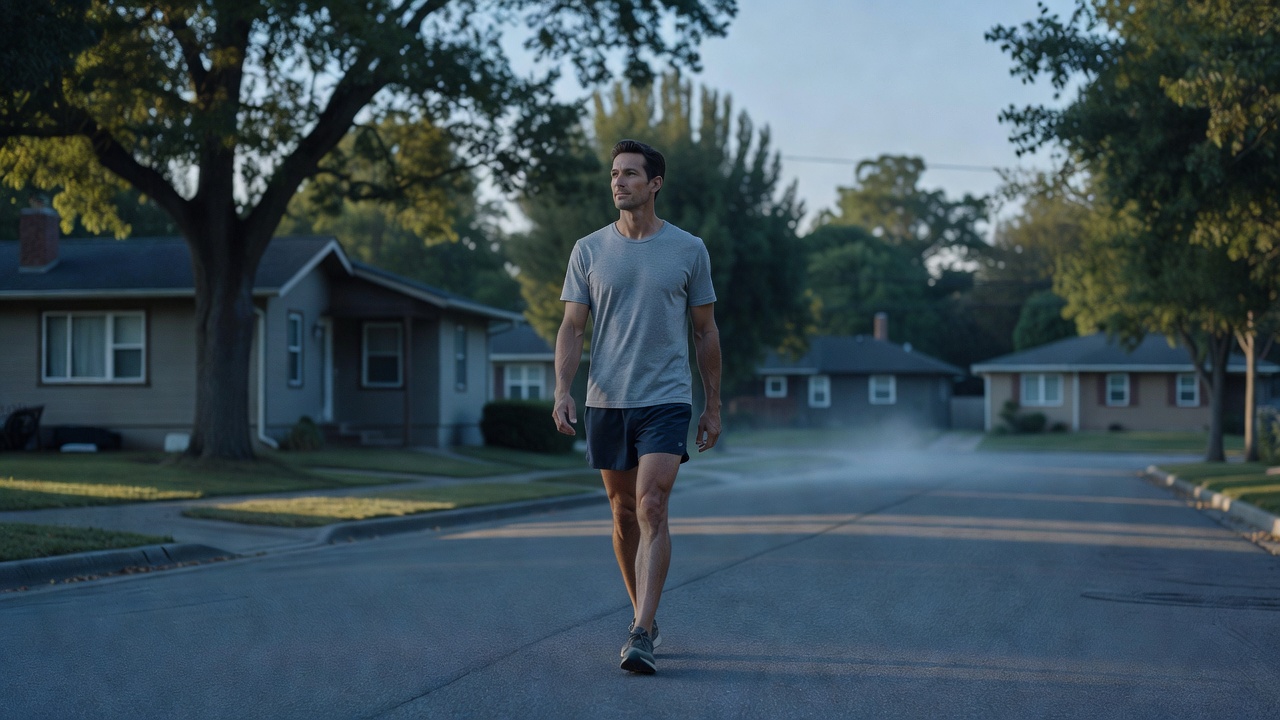
This week on X the fight is simple: men treating five-hour nights as discipline versus men calling sleep the actual training session. The loud posts keep repeating the same numbers — most daily testosterone is made in deep sleep, one week of restriction drops it 10–15 percent, growth hormone and brain cleanup happen while you are unconscious. The default this article argues is that after 40 you protect 7.5–9 hours of consistent, dark, cool sleep as the first and non-negotiable block of the day. Everything else is downstream.
Not medical advice
This is a set of practical defaults from current X discourse, not a diagnosis or treatment plan. If you snore, gasp, or wake exhausted, talk to a doctor. Sleep apnea is common after 40 and is not fixed by willpower.
What X is actually arguing
The two camps are easy to see. One still posts as if grinding through fatigue is the edge. The other, louder this week, says you cannot out-discipline a sleep-deprived brain or out-train a collapsed T/cortisol ratio. Accounts aimed at men over 40 keep putting sleep at number two in every testosterone, erection, and recovery list: 7–9 hours, dark room, same time every night. Several posts state that 70 percent of daily testosterone production happens during deep sleep, not in the gym and not from a bottle. One week of five-hour nights is repeatedly cited as enough to cut daytime testosterone 10–15 percent in otherwise healthy men.[1]
The most detailed thread this week came from a wrestler and founder who used to treat sleep as what happened after the real work. He now calls sleep the real work. While you are unconscious, testosterone is produced, growth hormone surges in slow-wave sleep to drive repair, cortisol is supposed to reset, and the glymphatic system clears metabolic waste from the brain. Skip it and you carry cognitive debt into every meeting, every lift, every conversation. He lists the same protocol that shows up across the posts: consistent sleep and wake time, no blue light 90 minutes before bed, cold dark room so core temperature can drop, no alcohol because it wrecks REM even when it knocks you out. LeBron and Federer get cited as the high-sleep examples; Soviet periodization treated recovery windows as training, not leftover time.[2]
A second cluster of posts is more practical and less poetic: if you snore or wake exhausted, fix apnea first. Nighttime bathroom trips (prostate) and mouth breathing also interrupt the architecture that produces hormones. Quantity without quality is called out as a trap — nine fragmented hours with alcohol or apnea is worse than seven solid ones. The tension is not “sleep versus work.” It is whether you still believe you can steal the hours from the back end after 40.
Why this lands after 40
After 40 the margin is gone. Natural testosterone is already on a slow decline. Slow-wave sleep, the stage that produces most of the growth hormone and a large share of testosterone, decreases with age. Sleep becomes lighter and more fragmented. The same five-hour night that a 25-year-old shrugged off now leaves higher morning cortisol, lower morning erections, worse insulin sensitivity, and a shorter fuse.
The constraints are mechanical, not motivational. Prostate enlargement means more nighttime trips that smash deep-sleep cycles. Weight gain around the neck raises apnea risk; intermittent hypoxia every night drives inflammation and further tanks hormones. Work and family load do not pause, so the man who used to “catch up on weekends” now just accumulates debt. Cortisol that fails to reset overnight keeps the T/cortisol ratio inverted; that ratio is what drives both physical output and the ability to stay even under pressure. The brain’s overnight cleanup (glymphatic) is also less efficient if sleep is short or broken, so you walk into the day already carrying fog.
You cannot out-lift this. The training session creates the stimulus; sleep delivers the adaptation. Skip the delivery and you are just breaking tissue down with nowhere to rebuild. That is why the posts keep saying sleep is not the thing after the work. After 40 it is the work.
The default, in enough detail to actually do it
Protect an 8-hour window, same clock every day, including weekends. Example that fits most men with a 6–7 a.m. start: in bed by 10:15 p.m., lights out 10:30 p.m., alarm 6:30 a.m. If your job starts later, shift the whole block later; do not shorten it. The consistency matters more than the exact hour because it trains the temperature drop and hormone rhythm.
Ninety minutes before lights out the phone and TV leave the room or go in a drawer in another room. Dim the lights. Paper book or nothing. Core temperature must fall to initiate deep sleep, so the bedroom is 65–68 °F, blackout curtains or a cheap mask, no charging LEDs. If you need a light for the bathroom, use a dim red one.
Caffeine cutoff is 2 p.m. Last substantial meal three hours before bed; keep it protein-forward so blood sugar does not spike and crash. Alcohol is out after dinner — even one drink fragments REM and next-day T. Water is fine; just finish most of it earlier if nighttime trips are already an issue.
If you snore loudly, gasp, or need caffeine by 10 a.m. to function, the first action is a conversation with a doctor about a sleep study, not another supplement. Mouth tape and nasal strips appear in the posts, but they are not a substitute for ruling out apnea; taping over a collapsing airway is the wrong move.
Morning: get outside light within 30 minutes of waking. Do not hit snooze. That first light cue is what sets the next night’s melatonin. Track two things for a week: how many times you actually stay in the 8-hour window, and whether morning energy and erections improve. That is the scoreboard.
This is not a 30-day challenge. It is the new floor. The gym, the protein, the walking all sit on top of it.
What people get wrong
They call five-hour nights discipline and then wonder why T, mood, and recovery are garbage. The posts this week are explicit: that is not an edge, it is a 10–15 percent testosterone haircut plus elevated cortisol.[3]
They chase hours instead of architecture. Nine hours of alcohol-disrupted, apnea-interrupted, screen-lit sleep is worse than seven hours of unbroken dark-and-cool sleep. Quantity without quality is the most common mistake named for men over 40.
They use alcohol as a sleep aid. It knocks you out and then destroys REM. You wake unrefreshed and more inflamed.
They keep the phone in the bedroom and scroll until they feel tired. Blue light plus mental stimulation delays the temperature drop you need for deep sleep.
They ignore snoring and nighttime bathroom trips as “just getting older.” Those are the exact interruptions that cut the hormone-producing stages.
They try to catch up on Saturday and Sunday. Partial recovery happens, but the weekday cortisol and T hit still land. Consistency beats weekend binges.
This week
- Tonight pick the 8-hour window and set the alarm and a bedtime reminder. Same times all seven days.
- Remove the phone from the bedroom or put it in another room to charge. 90-minute cutoff starts tomorrow evening.
- Make the room dark and cooler. Blackout or mask, 65–68 °F if you can.
- Last caffeine by 2 p.m. and last alcohol with dinner, not after.
- If you snore or wake exhausted, book the doctor conversation this week rather than adding another gadget.
- Note morning energy and whether you wake at night. That data tells you if the window is working.
Read next
Back to Trending on X.