Sleep before the lab number
Archived — September 1, 2026
Snapshot of Trending on X that day. Current · All snapshots
Updated September 1, 2026. Trending in Health on X.
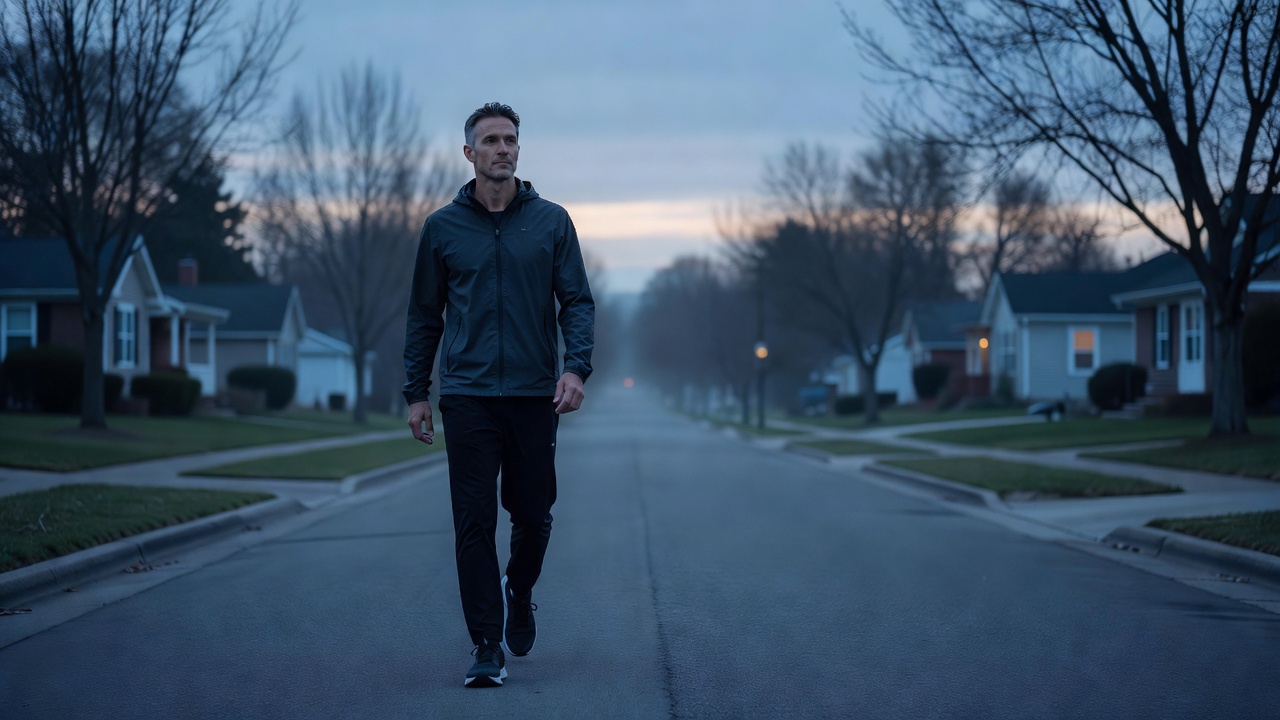
Men over 40 spent the week treating a single morning testosterone or cortisol printout as a verdict, then shopping for a fix. The other camp on X is louder this time: that number is last week’s nights, not your identity. Sleep the week. Then draw. Do not let a five-hour stretch become a clinic story.
Not medical advice
This is not a diagnosis, a lab order, or a reason to start or stop treatment. If a number or a symptom is off, take it to a clinician who sees you in person.
What X is actually arguing
Two camps. One wants bloodwork first and a number to act on. The other says the number is downstream of sleep, alcohol, waist, and whether you actually got deep sleep — and that drawing after a wrecked week is how men talk themselves into a problem they do not have.[1]
The clip circulating today is the same man, eight hours a night, then five hours a night for one week. Testosterone dropped about 15 percent. That is being framed as roughly a decade of aging, compressed into seven days. The punchline on X is blunt: men are buying a hormone fix for a number their bedroom set the night before.[1]
The mechanism posts are everywhere. Most daily testosterone output happens in deep sleep, not in the gym and not in a capsule. One week of short nights is enough to move the daytime number 10 to 15 percent in healthy men. Growth hormone rides slow-wave sleep. Cortisol is supposed to reset overnight. Miss that window and the T-to-cortisol ratio looks worse on paper the next morning.[2]
A third thread is quieter and more useful: the draw itself is sloppy. Different labs, different ranges, different dinners, different hydration, a hard session the day before, a 10 a.m. versus a 7 a.m. stick. Men are loading years of panels into spreadsheets and noticing the conditions were never the same. Sleep is the missing condition on that list.[3]
The cortisol camp is loud for men past 40. Waking at 3 or 4 a.m. with a racing chest is being treated as the overnight cortisol curve firing early, not as “stress.” Wired-but-tired, belly fat that ignores training, a jaw that will not unclench. Those posts also admit the trap: bloodwork can read “normal” while the nights are garbage.[4]
The tension is simple. One side wants a lab to explain the fatigue. The other side says the lab is a snapshot of last week’s sleep architecture, last night’s drinks, and whether you walked in at 7 a.m. or 11 a.m. This article takes the second camp and makes it a default you can actually run.
Why this lands after 40
Deep sleep shrinks with age. You do not get the same slow-wave hours at 45 that you got at 25, even if time in bed looks identical. That is the window where most of the overnight testosterone pulse happens. Steal two hours off the front or fragment the night and the morning number moves. After 40, you have less buffer.[5]
Sleep apnea is the unsexy part of this week’s discourse. Neck over 17 inches, a partner who hears gasping, waking exhausted after “eight hours.” That is not a character flaw and it is not a supplement gap. Untreated apnea wrecks sleep architecture. Fixing it has been associated with large testosterone moves in men who actually had the problem. The screen is a tape measure and a question, not a shopping cart.[1]
Insulin and lipids move too. Restrict sleep and overnight free fatty acids rise; the next morning looks more diabetes-like even in otherwise healthy men. Sleep the same number of hours at the wrong biological time and blood sugar still climbs, leptin falls, blood pressure edges up. A 1 a.m. bedtime that still totals seven hours is not the same draw as 10:30 p.m. to 6:00 a.m. Circadian timing is part of the lab.[6]
Cortisol after 40 is less forgiving. The overnight trough is supposed to be quiet. Alcohol, late screens, a 9 p.m. work spiral, and a 3 a.m. wake all keep it high. High cortisol and testosterone do not share the morning well. You feel it as flat drive and a printout that looks “low-normal.” You also feel it as the 2 p.m. crash and the need for a third coffee.[7]
One night of poor sleep can raise inflammatory markers. Chronic short sleep keeps that switch on. After 40, that is the same decade you are watching ApoB, waist, and recovery. The lab is not lying. It is reporting the nights.[8]
A “normal” range does not settle it. A man at a mid-range testosterone who is foggy, not recovering, and sleeping five hours is not finished because the reference line is green. The fuller picture this week is sleep quality, waist, blood pressure, recovery, and whether mornings still work. The number is one column.[9]
The default, in enough detail to actually do it
Do not draw on a wrecked week. If the last five nights were 5 to 6 hours, travel, a wedding, or three drinks, reschedule. You want five to seven nights that look like your real life at its best, not your real life at its worst. Then the printout is comparable next time.
Target in bed 7.5 to 8.5 hours, same window every night, including the two nights before the stick. For most men over 40 that is lights out 10:00–10:30 p.m., up 6:00–6:30 a.m. If your job is a 5 a.m. alarm, slide bedtime earlier. Do not “catch up” the night before with a 10-hour binge. That is a different hormone night than the rest of the week.
The seven nights before the draw:
- Same bedtime and same wake time, seven days. No Friday 1 a.m.
- No alcohol for 72 hours before the stick. Alcohol fragments sleep the same night, keeps cortisol up into the next day, and is a testosterone hit on its own. “I slept seven hours after two beers” is not seven hours of deep sleep.[10]
- Caffeine cutoff 2 p.m. If you are still wired at 10 p.m., the cutoff was too late.
- Last meal 2.5 to 3 hours before bed. Example: 7:00 p.m. plate of 6–8 oz chicken or fish, rice or potatoes, vegetables, salt. Not a protein bar at 10:30 p.m. and not a “light” dinner of nothing. Overnight hunger at 3 a.m. is a cortisol event.
- No hard lower-body session or max-effort intervals in the 24 hours before the draw. A walk is fine. A PR is not. The day-before workout moves numbers.[3]
- Room: dark, cool, phone out of reach. Screens off 60–90 minutes before bed. If you need a wind-down, it is a book or a shower, not a highlight reel in bed.
- Morning light within an hour of waking, 10–20 minutes outside. That is the cortisol rhythm, not a wellness hobby.
Draw morning:
- Fasted. Water is fine. Black coffee only if that is how you always draw. Pick one and repeat it for every future panel.
- As early as the lab will take you, and before 10 a.m. Testosterone falls across the morning. A 7:15 a.m. stick and an 11:40 a.m. stick are not the same test.[11]
- Sit 10 minutes. Do not run in from the parking lot or from a sauna.
- Same lab, same time window, same fasting length every cycle. Write the conditions on a note: bedtime, hours slept, alcohol in the last 72 hours, last training session, dinner the night before. That note is how you stop arguing with yourself in six months.
Ongoing sleep default, not just pre-lab:
Protect the 10 p.m. to 2 a.m. block. That is when deep sleep and the overnight testosterone rise are concentrated. Sleeping 7 hours from 1 a.m. to 8 a.m. is a different night than 10:30 p.m. to 5:30 a.m. Late nights make weak mornings even when the total looks fine.[12]
If you snore, wake with a dry mouth, have a neck over 17 inches, or your partner hears gasping, the next move is a sleep evaluation, not another testosterone booster. That is the actual lab problem for a lot of men in this age band.[1]
Alcohol: default is none on weeknights and none inside 3 hours of bed even on a weekend. If you drink, assume the next morning’s hormones and the next night’s architecture are both discounted.
The foundation posts this week keep repeating the same four levers and they are still the levers: sleep, protein, walking, less alcohol. Exotic stacks are not the first column.[13]
Log three numbers for 7 days, nothing fancy: time lights out, time up, and whether you woke at 3 a.m. That log is more useful than a screenshot of someone else’s “optimal” range.
What people get wrong
Drawing the morning after a late night, a flight, or a dinner with drinks, then treating that testosterone or glucose as baseline.
Comparing a 7 a.m. panel from Lab A to an 11 a.m. panel from Lab B and calling the difference “decline.”
Calling seven hours of fragmented sleep seven hours. Phone in bed, two wake-ups, alcohol at 9 p.m. — the clock lied.
Buying a testosterone booster, an adaptogen stack, or a clinic consult before sleeping 7-plus hours for two weeks and cutting the nightly drinks. The bottle is not the first experiment.[14]
Treating a green “normal” as permission to ignore 3 a.m. wakes, missing morning function, and a waist that is still climbing. The reference range is a population fence, not your operating range.[15]
Hard training, a long fast beyond your usual, or a sauna the morning of the stick, then wondering why inflammation or hormones look noisy.
This week
- If labs are already booked and the last four nights were short, move the appointment. Do not collect a panic number.
- Pick a bedtime and a wake time for the next seven days and keep both, including Saturday. Write them on a card.
- Zero alcohol until after the draw, or for the next 72 hours if no draw is booked. Notice the 3 a.m. window.
- Phone charges outside the bedroom. Lights out 60 minutes after the last screen.
- Morning light and a 20–30 minute walk before the inbox. That is the cortisol clock.
- If you snore or your neck is over 17 inches, tell the clinician that before you argue with a testosterone line. Measure the neck. Ask the question.
Read next
Back to Trending on X.