Bloodwork first
Archived — September 9, 2026
Snapshot of Trending on X that day. Current · All snapshots
Updated September 9, 2026. Trending in Health on X.
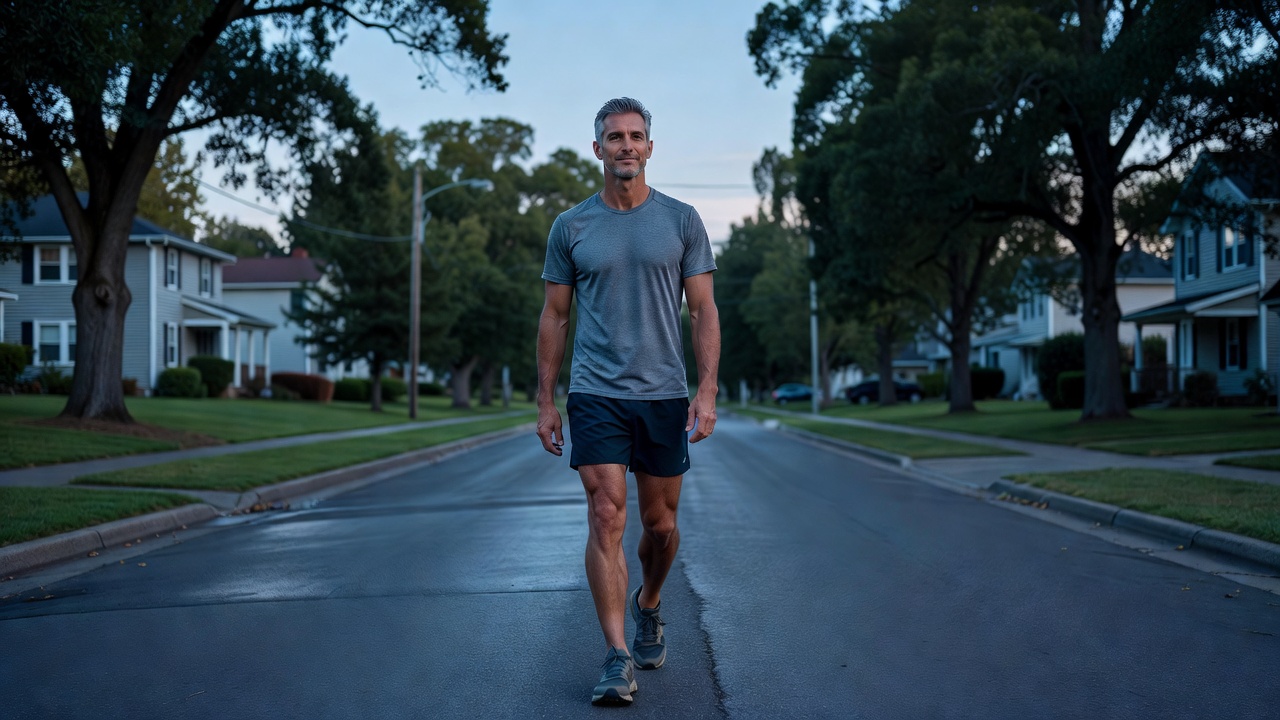
X is not arguing whether men over 40 should “optimize.” It is arguing what you do before you guess. One camp posts full panels and says symptoms are noise. Another says the GP stamp of “normal” is a trap. A third says TRT clinics sell a number with a product attached. The default here is blunt: bloodwork first. Draw it correctly. Read more than the reference range. Fix sleep, waist, and alcohol before you treat a tired Tuesday as a hormone diagnosis.
Not medical advice
This is a measurement default, not a diagnosis or a treatment plan. Take results to a clinician who actually looks at men’s labs after 40. Do not start, stop, or dose prescription hormones from a thread.
What X is actually arguing
The loudest fight is not “get healthy.” It is “stop guessing.” Accounts posting every 90 days say most men their age have never seen their own numbers, and that is the actual crisis — not a plateau on bench. Symptoms (fog, soft chest, 3 a.m. wake-ups) get treated as identity. Blood is treated as optional. The pushback is that “I feel fine” is how you sit next to a future ICU stay: blood pressure, kidneys, and inflammation climb without a feeling attached.[1]
The second camp is about which labs. A standard checkup often skips the markers that actually change decisions: ApoB, fasting insulin, hs-CRP, free T3, SHBG, free testosterone, Lp(a). Lists making the rounds this week put hormones, kidney, liver, full thyroid, CBC, lipids with ApoB, HbA1c, and hs-CRP on the first draw, then iron panel, PSA, and a one-off Lp(a). The tension is clinic-range versus useful: ferritin flagged only at 12 when cognition is already sliding; total T “in range” while free T is low; TSH alone missing a sluggish thyroid.[2]
The third camp is TRT-as-first-move versus inputs-first. One side: morning labs, full hormone set, then rule out vitamin D, sleep apnea, thyroid, and a crash diet before anyone talks replacement. The other side is angrier: the 46-year-old who sleeps badly, drinks four nights, eats nothing until 2 p.m., gets “low-normal,” and walks out with a script in 30 minutes. A tired man looks like a low-T man. Untreated apnea roughly triples the risk of low testosterone and can get worse if you start replacement on top of it. Fix the night, then measure.[3]
Consumer panels are in the mix. Superpower and similar apps made it easy to post a screenshot (ApoB 60, triglycerides 43, total T 508) without begging a GP. The counter this week: those apps can funnel you into a supplement cart, and the “action plan” is not the same as a clinician reading a slope. Easy draw is useful. Blind stacking is not.[4]
Why this lands after 40
After 40 the useful number is often not the one on the printout’s “normal” column. Total testosterone can sit in the lab range while free testosterone — what tissue actually uses — is low because SHBG climbed. Belly fat converts testosterone toward estrogen. That is not a vibe. It is aromatase in visceral fat. A 90 cm-plus waist is a hormone intervention whether you like the word or not.
Sleep architecture gets worse and apnea gets more common. Poor sleep drops testosterone on its own; apnea does it harder and also drives hematocrit and blood pressure problems that get blamed on “aging” or, later, on hormones you started without fixing the airway. Alcohol does a 24–48 hour hit. One late night does not show on a yearly physical. It shows on a morning draw if you are honest about the three days before.
Cardiovascular risk after 40 is mostly silent. LDL-C alone misses men whose ApoB is the real particle count. Fasting glucose can look polite while fasting insulin and triglycerides/HDL already say insulin resistance. hs-CRP tells you if the system is inflamed. Homocysteine, uric acid, and liver enzymes (ALT/AST) show up in the “bad” column of men who otherwise post elite metabolic screens. None of that announces itself as chest pain.
Ferritin, vitamin D, B12, and a full thyroid panel (TSH plus free T4 and free T3) impersonate depression, low drive, and “I got old.” Doctors who only flag ferritin at the floor miss the middle. Biotin in hair-skin-nails gummies wrecks thyroid numbers. Creatine makes creatinine look like failing kidneys. If you train, you need the context or you will chase the wrong organ.
Reference ranges are built on the population walking into labs — including sick, obese, and sleep-deprived 45-year-olds. “In range” after 40 often means “average for a group you do not want to join.” The slope of your last three panels beats one lucky draw.
The default, in enough detail to actually do it
Book the draw. Do not wait for a birthday physical. If your GP will not order a real panel, use a reputable lab service and take the PDF to a clinician. Do not crowdsource a protocol in replies.
How to draw so the numbers mean something
- Morning, 7:00–9:00 a.m. Testosterone falls through the day. Afternoon draws are how men get fake-low and shop for a clinic. Aim before 10 a.m. at the latest.[5]
- 12-hour fast. Water only. Black coffee if your lab allows it — if you are unsure, skip it.
- No alcohol for 3 days. No hard training the morning of.
- Stop biotin 3 days out. It skews thyroid.
- Hydrate the night before. A dry vein is a wasted appointment.
- If you use creatine, tell whoever is reading creatinine and eGFR. Ask for cystatin C if kidneys are the question.
- Retest at the same lab, same season, same time of day. Compare slope, not one screenshot. Retest 8–12 weeks after you change something.[6]
Order this on the first panel (ask by name)
- Hormones: total testosterone, free testosterone, SHBG, estradiol (E2), LH, FSH, prolactin.
- Thyroid: TSH, free T4, free T3. Not TSH alone.
- Metabolic: fasting glucose, fasting insulin, HbA1c.
- Lipids: standard lipid panel plus ApoB. Lp(a) once in your life.
- Inflammation: hs-CRP.
- Blood: CBC.
- Kidney: urea/BUN, creatinine, eGFR. Cystatin C if you lift and use creatine.
- Liver: AST, ALT, ALP, GGT, bilirubin, albumin.
- Iron: ferritin plus iron/TIBC/transferrin saturation — read ferritin next to hs-CRP.
- Vitamin D (25-OH).
- PSA if you are over 40 and have not had one — discuss with the clinician, do not skip the conversation.
That is a baseline, not a shopping list of drugs.
What to do with the PDF (the actual default)
Print it. Circle anything flagged and anything “normal” that sits at the ugly edge. You are looking for clusters, not a single villain.
- High waist + low-ish T + higher E2: cut 5 cm off the waist before you romanticize a clinic. Strength train 3–4 days. Protein at every meal. Walk daily.
- Low free T with “fine” total T: SHBG and timing of the draw matter. Repeat morning and fasted before you conclude anything.
- Tired + low D / low ferritin / off thyroid: those are fuel problems. You cannot out-discipline a deficiency.
- ApoB high, triglycerides high, fasting insulin high: that is the metabolic pile. Food quality, body weight, alcohol, and walking move those more than a new pre-workout.
- High hs-CRP: find the source (body fat, gums, gut, training load, illness). Do not stack random anti-inflammatory pills from an app.
90-day input block before you consider hormones as the story
This is the default for the man who is tired and “low-normal,” not a man with documented disease.
- Sleep 7+ hours, same window. If you snore, choke, or hate mornings, get apnea screened. Do this before any hormone conversation.[7]
- Lift 3 days: squat or hinge, press, row, carry. Leave 1–2 reps in the tank. Walk 8–10k steps or 30–45 minutes most days.
- Protein: 40 g at breakfast (eggs, Greek yogurt, leftover meat). Do not fast until lunch.
- Alcohol: 0–1 session a week for the 90 days. Not a personality. A test.
- Waist: tape at the navel weekly. If you are over ~90–95 cm, fat loss is the hormone plan.
- Do not add a 12-supplement stack the week of the draw. Change one or two inputs. Retest at week 8–12.
Keep the PDFs in one folder named with dates. Three panels beat a guru.
Cadence
- Never tested: draw this month.
- Changing sleep, diet, or training: retest at 8–12 weeks.
- Stable and unremarkable: every 6–12 months.
- On any clinician-directed hormone or metabolic treatment: their schedule, not Twitter’s.
What people get wrong
- Afternoon or non-fasted testosterone. Then they shop clinics with a number the morning would not have printed.
- Trusting “normal.” Ferritin, free T, ApoB, fasting insulin, and free T3 are where the argument lives. The stamp is not the diagnosis.[8]
- TSH-only thyroid and creatinine-only kidneys. Missed hypothyroid picture. Fake kidney panic on creatine.
- Biotin and last night’s drinks. Contaminated thyroid and a liver/triglyceride story that is just the weekend.
- TRT as step one. Untreated apnea, vitamin D, crash deficits, and a 4-night drinking pattern will impersonate hypogonadism. Replacement without the full set (total T, free T, SHBG, LH, FSH) is how you shut down a system you never tried to recover.
- One panel, no slope — or an app that sells the next bottle. Homocysteine down, cholesterol up, new cart. Measurement is the point. The marketplace is not.
This week
- Book a morning draw before 9 a.m. Put it on the calendar for the next 7 days, not “sometime this fall.”
- Write the marker list above into the patient portal or print it. Ask for each by name. Do not accept TSH + cholesterol and a pat on the head.
- Three nights: no alcohol, in bed on time, water before the draw. Stop biotin now if you take it.
- Tape your waist, note bedtime, and write last week’s drinks. That page sits next to the PDF.
- If you snore or sleep in a chair, schedule an apnea conversation the same week as the labs.
- Make a folder. Save every result as
YYYY-MM-DD-lab.pdf. The next decision is a slope, not a vibe.
Read next
Back to Trending on X.