Sleep debt hits T
Archived — September 10, 2026
Snapshot of Trending on X that day. Current · All snapshots
Updated September 10, 2026. Trending in Health on X.
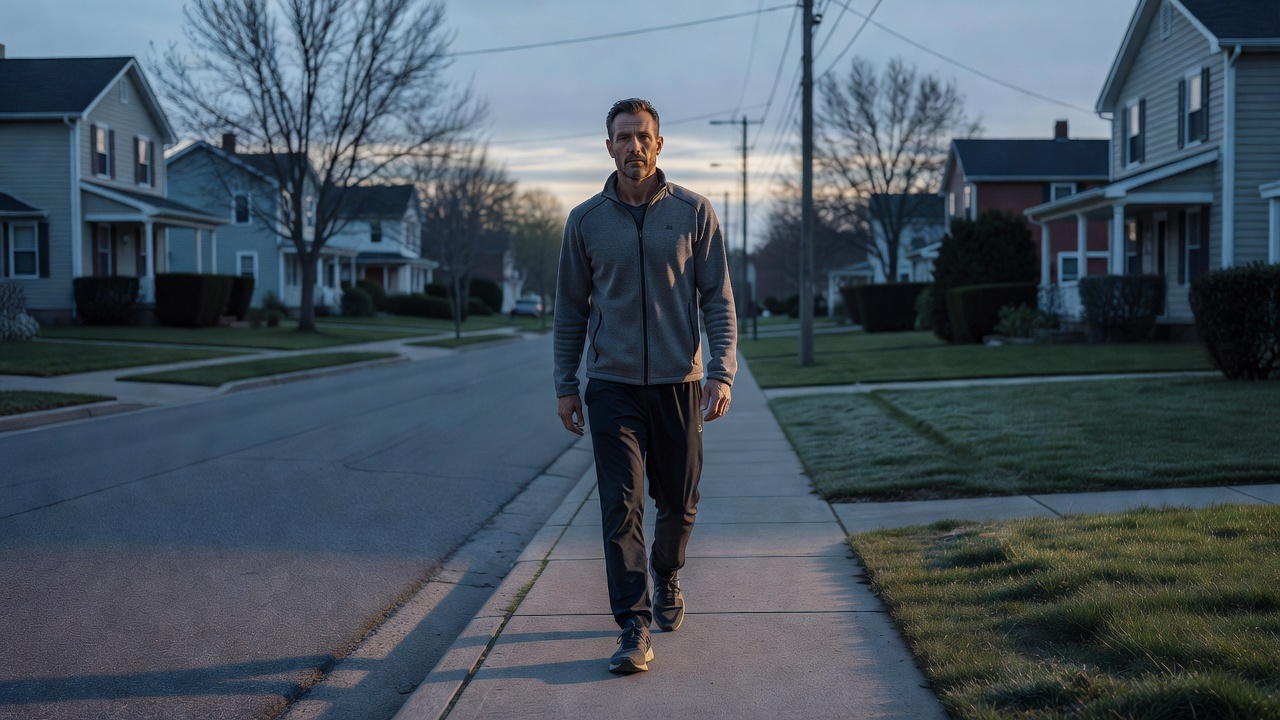
X spent the last seven days repeating the same study and the same insult: men over 40 still treat sleep as leftover time, then hunt a stack when morning wood, drive, and training output sag. The loud posts are not arguing for a new supplement. They are arguing that a week of five-hour nights can drop testosterone 10–15% — the kind of hit people casually blame on “just getting older.” This article’s default is simple: lock a consistent 7.5–8 hour window, same bedtime, no nightcap, last 90 minutes off screens, before you change anything else.
Not medical advice
This is a lifestyle default for men over 40, not a diagnosis or a treatment plan. If you have loud symptoms, snoring with gasping, or labs you do not understand, talk to a clinician — do not self-protocol hormones.
What X is actually arguing
The fight is not “does sleep matter.” Everyone pretends they already know. The fight is whether sleep is the first lever or a nice-to-have behind boosters, training volume, and clinic talk. One camp — the one actually getting reach this week — says most testosterone is produced during sleep, that restriction to five hours a night for a week dropped healthy young men’s levels 10–15%, and that this looks like a decade of aging packed into seven days. They map that drop onto weaker morning erections, flatter drive, and sluggish gym performance, not abstract lab trivia.[1]
The other camp still treats short sleep as a productivity badge. Four or five hours is “normal.” Coffee covers it. A capsule is supposed to cover the rest. Replies this week keep pointing at that pattern: the man asking for the best T supplement is often the man who finishes work, scrolls, and sleeps whenever the day ends. Coaches in that thread are blunt — he does not want the real answer. He wants permission to keep the schedule.[2]
A third split is aging versus load. Posts aimed at men past 30 and 40 say the decline is not just a birthday. Chronic stress, poor sleep, and quiet insulin resistance sit under the same symptoms people dump on age. Sleep is the piece you can move this week without a new identity. The clinic-and-peptide talk is loud in adjacent threads; it is not the default here.[3]
The over-40 voices that actually named a protocol, not a vibe, clustered on four levers: same bedtime within about 30 minutes, dark and cool room, no alcohol because it fragments REM, and the last 90 minutes before bed protected from screens. Free T is described as drifting before total T. Morning resting heart rate climbing 5–8 beats off baseline is treated as an early tell before labs move. That is the tension in one line: track the night, not the bottle.[4]
Why this lands after 40
You do not get the same buffer you had at 28. Sleep restriction still hits the HPG axis — less clean luteinizing hormone signaling, more cortisol, less overnight production. In the young-man studies X keeps quoting, a single bad week is enough to move T. After 40, you already carry more night wakings, more body fat converting androgens, more work stress, and less deep sleep per night. Stack restriction on top of that and free T is the first number that looks “off” even when total T has not crashed yet.[5]
Alcohol is the quiet multiplier. It does not just “hurt recovery.” It wrecks deep sleep in the second half of the night, which is when growth hormone pulses hardest. One night of drinking can flatten that pulse, raise next-day cortisol, and make a morning blood draw look worse than your training log says it should. After 40 that is not a weekend footnote. It is why a “couple of drinks to unwind” shows up as flat legs, worse mood, and a weaker morning on Monday.[6]
Circadian timing also gets less forgiving. Hormones follow a clock, not your calendar. An inconsistent sleep schedule after 40 hits harder and takes longer to repay than the same Friday-night drift did in your thirties. Weekend sleep-ins feel like recovery. They are often just social jet lag with extra cortisol on Monday. That is why “same wake time, weekends included” keeps showing up next to the T talk.[7]
The practical tell is not a feeling of “I need more willpower.” It is a higher morning pulse, worse heat tolerance in the gym, flatter libido, and the sense that caffeine is doing more of the job that sleep used to do. You can chase that with more volume. You will usually lose.
The default, in enough detail to actually do it
Pick a wake time you can hit seven days. Work backward 8 hours in bed. If you wake at 6:00, lights out is 21:45–22:00, not 23:30 with a podcast. Protect the window like a meeting. Same bedtime ±30 minutes, including Saturday. Do not “catch up” until 9:00. If you had a late night, keep the wake time and pull bedtime 20–30 minutes earlier the next two nights.
Room: fully dark, phone out of reach, temperature on the cool side — most men do better near 65–67°F / 18–19°C. If the room is glowing from a hallway, a TV LED, or a charger brick, fix that before you buy anything. Earplugs or a fan if the house is noisy. This is not aesthetic. Light and heat fragment the second half of the night, which is the half X is arguing you cannot afford to lose.
Last 90 minutes: screens off or in another room. Dim the house. Paper, stretch, shower, or a slow walk after dinner. The 10 PM crowd on X is selling a specific clock; the useful part is the window, not the brand of tea. Testosterone and growth-hormone talk this week kept pointing at the early night, while most men are still scrolling through it. If your job ends late, you still cut the last 90 minutes. You do not get a special exemption because you answered Slack.[8]
Caffeine cutoff: 2:00 p.m. default after 40. If you sleep hot or wake at 3:00 a.m. wired, move it to noon for this week. Alcohol: zero for the next seven days if you actually want a clean read on energy and morning function. If you will not go to zero, none within four hours of bed, and none on training nights. A nightcap is not a sleep aid. It is a REM tax.
Food: finish the last real meal 2–3 hours before lights out. Protein earlier in the day and at dinner — a plate you can name (meat, eggs, fish, potatoes or rice, vegetables), not a late bag of whatever. Huge late dinners plus alcohol is how men “can’t sleep” and then blame age. Morning: 10 minutes outside within an hour of waking, even on cloud cover. That is the cheap circadian anchor.
What you track for seven days, on paper: bedtime, wake time, alcohol yes/no, caffeine last cup, morning resting heart rate if you already wear a watch, and a 1–5 on energy and morning function. You are looking for RHR drifting +5–8 off your baseline and for whether the week felt like a different person by day five. Do not draw a new identity from one night.
Training stays in its lane. Lift as usual if sleep was 7-plus. If you stacked two short nights, keep the session but drop the extra set and skip the late HIIT. Walk. You are not earning T by punishing a sleep-debted nervous system.
What people get wrong
Treating five or six hours as a personality. The posts this week keep citing a week of five-hour nights and a 10–15% T drop. That is not a grindset. It is a self-inflicted lab change.[9]
Buying a booster while the last 90 minutes are still a phone. If sleep is a dumpster fire, the stack is theater. Several over-40 accounts said the quiet part: you do not need a fancy stack first. You need the night.[4]
Using alcohol as a downshift. It can knock you out and still wreck the second half of the night. Then you read “low free T” like it came from the squat rack.
Weekend jet lag. Friday 1:00 a.m., Sunday 10:00 a.m. wake, Monday looking like a different hormone profile. After 40 the clock does not snap back in one night.
Panic-drawing labs after a bad week and calling it your baseline. Total T can lag. Free T and how you feel move first. One draw after four short nights is a story about the week, not your decade.
Late training plus late caffeine plus “I’ll sleep when I’m done.” That is how sleep debt compounds without you noticing, until drive and recovery are both gone and you blame 44.
This week
- Write a wake time and a lights-out time that yield 8 hours in bed. Hit both within 30 minutes, all seven days, weekend included.
- Caffeine last cup at 2:00 p.m. If you wake at 3:00 a.m., move it to noon.
- Alcohol at zero for seven days. If that is the only change you make, make it.
- Last 90 minutes: phone in another room. Dim lights. No “one more episode.”
- Ten minutes outside in the morning and a 10–20 minute easy walk after dinner.
- Log bedtime, wake, RHR if you have it, and a 1–5 for energy. Compare day 1 to day 7. Do not add a new supplement to the log.
Read next
Back to Trending on X.