Sleep then labs
Archived — September 25, 2026
Snapshot of Trending on X that day. Current · All snapshots
Updated September 25, 2026. Trending in Health on X.
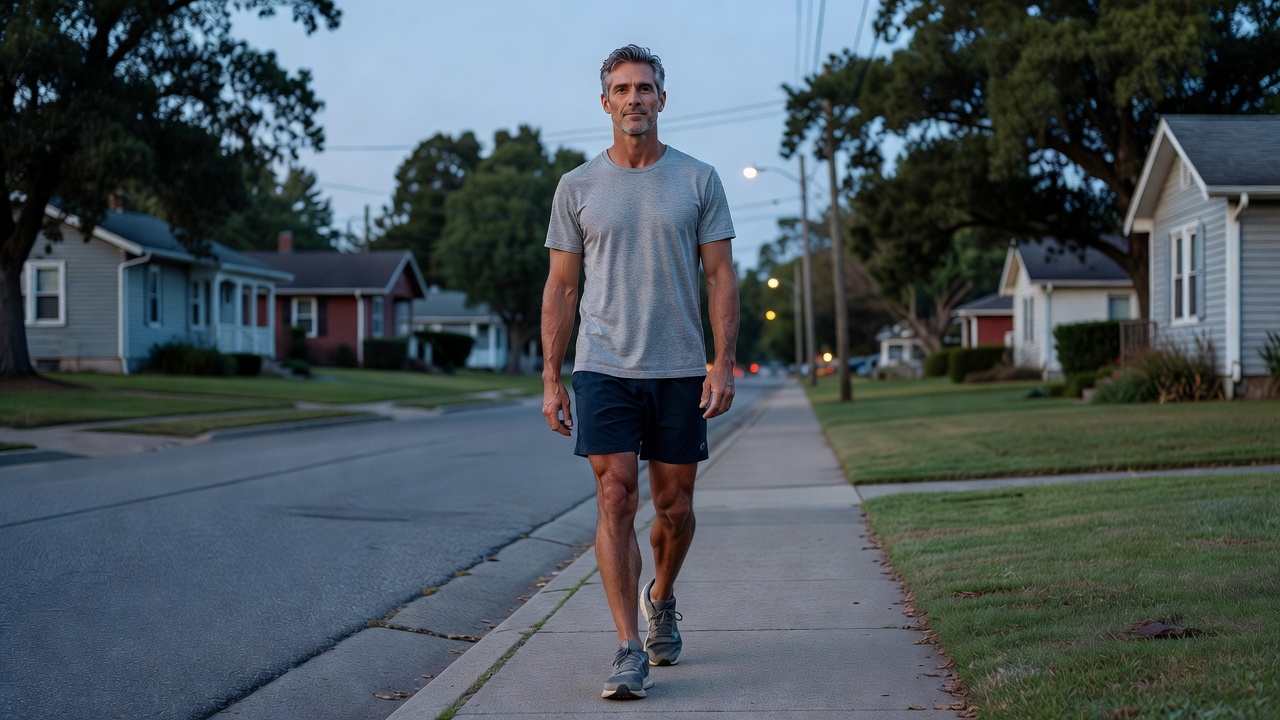
X this week is a fight between men who want a testosterone number tomorrow and men who say a five-hour night already copied low T, so the draw is a costume. The default here is the sequence, not a stack: sleep for seven nights like you mean it, then get morning blood. Do not treat a wrecked-week lab as your identity.
Not medical advice
This is a sequencing default for sleep and labs, not a diagnosis, treatment plan, or clinic protocol. A clinician who has your history should interpret numbers and decide what, if anything, to change.
What X is actually arguing
Three camps are loud, and they are talking past each other.
Camp one says untested is optional. Morning blood. A number. A lab is cheaper than a decade of “I’m just getting older,” and quiet mornings plus a gym that stopped answering are a file you open before 40 turns it into fate.[1]
Camp two says fix the copies first. Five hours. A heavy night. A screen that already spent you. Those copy low T. A powder on a wrecked week is a costume, and the costume is expensive. The blood test is the cheaper honesty — after you stop lying about sleep, liquor, and the midnight loop.[2]
Camp three is the “foundations, then a real panel” crowd. Sleep, diet, and training get dialed until they are actually boring. Then you draw a comprehensive panel, not a basic one, and you stop buying boosters for a deficiency you never measured. The post that traveled this week put it bluntly: the new XYZ thing might look cool, but if you are short on sleep and the obvious gaps, you are spending money on a costume.[3]
The tension is not “labs vs no labs.” It is dirty labs vs honest labs. One afternoon result after a bad week should start an investigation. It should never finish one. Testosterone is not a fixed score. It moves with time of day, food, the sleep you got the night before, illness, and which lab ran it. Most of the serious accounts want it drawn between 7 and 10am, fasted, twice, on separate days, before anyone treats a single printout as destiny.[4]
That is the argument. Sleep then labs. Not labs as a personality. Not sleep as a vibe.
Why this lands after 40
After 40 the overnight window is doing more of the work you used to get for free.
Most of a day’s testosterone is built while you sleep. Cutting that short shuts the manufacturing window. Accounts this week kept citing the same shape of damage: sleep deprivation drops a young man’s testosterone toward the range of someone 10 to 15 years older, blunts overnight luteinizing hormone pulses, and spikes morning cortisol, which works against testosterone. One night of four hours of sleep has been tied to a 10 to 15 percent cut in healthy young men. A week of five-hour nights shows up in the same ballpark. You are not 24. You do not have that margin.[5]
Sleep architecture also changes. Deep sleep and the first three to four hours of the night are where a lot of the overnight hormone work happens. Five to six hours most nights is not “fine.” It keeps the body inflamed and wired. Sleep is when blood vessels repair. Weak morning function is often the first warning men ignore, then they book a booster instead of a bedtime.[6]
Labs after 40 are noisier for other reasons. Cortisol is supposed to swing. It climbs hard in the first 30 minutes after waking. One morning draw cannot tell a healthy peak from a curve that never came down the night before. Glucose, triglycerides, muscle enzymes, and inflammatory markers all move with the last hard session and the last short night. High hematocrit with high red cells is a reason to check hydration and sleep apnea, not a reason to assume you are “high T.” Snoring and breathing pauses are not a reliable badge of androgens. They are a reason to get apnea evaluated.[7]
Bloodwork is a history book, not a live feed. Lifestyle shows up on its own timeline. A single snapshot after travel, a wedding, or four hours of sleep is a story about that week. After 40, that story gets misread as aging.
The default, in enough detail to actually do it
Do not book a “hormone day” on the back of a wrecked week. Run seven honest nights, then draw. If the appointment is already on the calendar and the last three nights were garbage, move the appointment.
Sleep for the seven nights before the draw
- Pick a bedtime and keep it. 10:00 or 10:30. Not “when the show ends.”
- Time in bed: 7.5 to 8.5 hours. Same window on Saturday.
- Phone charger leaves the bedroom. If you need an alarm, buy a $10 clock.
- Last caffeine at 2:00 p.m. Late caffeine is a sleep tax you pay in the lab.
- Alcohol: zero for the 72 hours before the draw. Three nights, not “I only had two.”
- Last food three hours before bed. Normal dinner, not a feast.
- Room dark and cool. No TV on. No “small light.”
- If you snore hard, wake gasping, or your partner leaves the room: write that down and say it when you talk to a clinician. Do not treat it as a testosterone flex.[8]
Track the week on paper: bedtime, wake time, hours, alcohol yes/no. Men lie to themselves in their heads. They do not lie as well on a kitchen notepad.
The 48 hours before the needle
Skip strenuous training for at least 24 hours, 48 if you can. A hard session can shift blood sugar, triglycerides, and muscle enzymes, and it can push heart rate and blood pressure around. That is not “showing the lab you train.” That is noise. Easy walking is fine. A PR attempt is not.[9]
Hydrate the evening before and sip water the morning of. Do not show up dry. Do not chug a gallon at 6:05 a.m. either.
The draw itself
- Window: 7:00 to 10:00 a.m. Earlier in that window is cleaner if your life allows it.
- Fasted. Water only for 10 to 12 hours unless your clinician said otherwise. Default is water, not a “small coffee just this once.”
- Sit. Do not rush from a parking-lot sprint into the chair.
- Same lab, same window if you repeat.
Night-before meal, concrete: protein and carbs you already eat. Example: 8 oz steak or two chicken thighs, a potato or rice, a pile of vegetables, done by 7:00 p.m. if the draw is 8:00 a.m. No whiskey. No “cheat meal for glycogen.” After the draw: a real breakfast. Eggs, meat, fruit, leftover rice. Then go to work.
Repeat before you decide the number is you
If a result will change a decision, draw twice on separate mornings, a week or two apart, both after a boring sleep week. One afternoon result after a bad week starts a question. It does not close it.[4]
What to ask for, without turning this into a protocol
Tell the clinician you want a morning, fasted look at hormones and the metabolic picture, not a mystery-shopper booster panel. This week’s lists kept naming the same neighborhood: morning total and free testosterone, a CBC, fasting insulin and HbA1c, vitamin D, hs-CRP, a metabolic and liver panel, thyroid. Cardiovascular-minded accounts add ApoB. That is a conversation with a clinician, not a shopping cart. The sequence still comes first: sleep week, then the draw.[10]
When to put it on the calendar
Book a Tuesday or Wednesday 7–9 a.m. slot after a boring weekend. Not Monday after a late Sunday. Not the morning you land from a red-eye. If you already live on five to six hours, the lab is not the first lever. The bedtime is.
What people get wrong
- Drawing after five-hour nights and a heavy week, then buying a “test booster” for the costume. Fix the copies, then draw.[2]
- Treating one afternoon lab as a diagnosis. Time of day, food, last night’s sleep, illness, and the lab itself all move the number. Twice, morning, fasted, or you are guessing.[4]
- Claiming you are “fine on 5–6 hours.” You are inflamed, wired, and poor at overnight repair. Same bedtime, 7–8 hours, phone out is the actual change, not a new powder.[6]
- Training hard the day before “so the labs see an athlete.” You are donating CK, glucose, and triglyceride noise. Take the day easy.[9]
- Reading snoring or a high hematocrit as proof of high androgens. Loud snoring and breathing pauses are a reason to evaluate sleep apnea. Hematocrit also tracks hydration, altitude, and apnea. Say the snoring out loud.[11]
- Stacking capsules to compensate for sleep, food, and training that were never dialed, then calling a basic panel “bloodwork.” Foundations first, then a real panel, then you fill actual gaps. More capsules are not a sleep plan.[3]
This week
- Write a bedtime on a card tonight. Keep it for seven nights. Charger leaves the bedroom.
- Caffeine cutoff at 2:00 p.m. every day of the next seven. No “late espresso because Thursday.”
- Alcohol off for any 72 hours that sit in front of a scheduled draw. If a draw is already booked after a short-sleep week, move it.
- Book a 7:00–10:00 a.m. fasted slot for after the sleep week, Tuesday or Wednesday, not Monday.
- Log hours, bedtime, and snoring for seven days on paper. If you gasp or snore hard, put that sentence in the visit, not in a forum post.
- Take 48 hours easy before the needle. Walk. Do not test a deadlift PR the night before morning blood.
Read next
Back to Trending on X.